13180 Westpark Dr, Ste 106, Houston, TX 77082


Deciding to remove a tooth is rarely taken lightly. Our team approaches each case as an opportunity to protect long-term oral health, not as a first resort. Extractions become necessary when preserving a tooth would cause more harm than benefit — for example, when infection, structural failure, or obstruction to normal development threatens nearby teeth or overall function. Clear communication and careful assessment help patients understand why removal is recommended and what the next steps will be.
Before any procedure, we review your full medical and dental history and perform a focused clinical exam. Imaging plays a central role in that evaluation: modern digital radiographs reveal root shape, nearby anatomical structures, and the relationship of a problematic tooth to surrounding bone. That information guides whether a tooth can be removed simply or if a more involved surgical approach will be safer and more predictable.
Comfort and safety are top priorities. Local anesthesia reliably controls pain during most extractions, and additional comfort options — from oral sedatives to nitrous oxide — are available when appropriate. We’ll discuss what to expect, confirm any necessary pre-procedure instructions, and make sure questions are answered so patients feel prepared and supported.
Persistently retained primary (baby) teeth
Sometimes a primary tooth does not loosen as expected because its roots fail to resorb or because the tooth has become fused to the jawbone. A retained baby tooth can interfere with the eruption path of the permanent tooth and disrupt alignment. When monitoring indicates the primary tooth is preventing normal development, timely extraction helps the permanent tooth emerge properly and supports future orthodontic goals.
Extensive decay that cannot be restored
If a cavity has progressed beyond the point where fillings, crowns, or root canal therapy can reliably restore form and function, removing the tooth can prevent the spread of infection and further damage. Extraction in these situations is a preventive measure to protect adjacent teeth and the jawbone from ongoing disease.
Severe fractures or non-restorable damage
Teeth that are broken below the gumline, splintered in ways that compromise the root, or fractured into multiple pieces may not be salvageable. When there is insufficient healthy tooth structure to support a restoration, extraction is often the most predictable option to resolve pain, infection risk, and chewing problems.
Advanced periodontal (gum) disease
Periodontal disease erodes the tissues and bone that hold teeth in place. In later stages, teeth can loosen and become painful or unsalvageable. Extracting teeth that no longer have adequate support can reduce inflammation, halt further bone loss in severe cases, and make space for restorative planning or prosthetic solutions.
Impacted or problematic wisdom teeth
Third molars commonly lack room to emerge properly and may become impacted, partially erupted, or a nidus for decay and infection. Removing wisdom teeth that threaten neighboring teeth, contribute to crowding, or repeatedly cause discomfort is a common and often preventive measure, especially for young adults whose healing tends to be faster.
Extractions to aid orthodontics
In some orthodontic treatment plans, removing one or more teeth creates the space necessary to achieve a balanced bite and stable alignment. When carefully planned with an orthodontist, selective extractions can simplify tooth movement and contribute to a long-term, functional result.

Every extraction begins with a comprehensive review of your health history, medications, and any special considerations such as bleeding disorders or heart conditions. Knowing these details lets us coordinate care safely with your physician if needed and take precautions like prescribing antibiotics or adjusting a medication regimen when appropriate. Patients should always inform the team of recent illnesses or changes in medications before a procedure.
To fully assess a tooth, we rely on clinical examination plus targeted imaging. Digital radiographs help us understand the root anatomy, bone level, and proximity to nerves or sinus cavities, which directly influences the technique we choose. With this information, we can explain the recommended approach in straightforward terms and prepare you for the expected level of aftercare.
Most extractions are performed under local anesthesia, which provides effective numbness for the area. For patients who experience anxiety or prefer deeper relaxation, we offer sedation options and will discuss the safest choice for your situation. Our goal is to minimize discomfort and make the process as calm and efficient as possible.
Simple extractions apply to teeth that are fully visible in the mouth and have roots that are reasonably shaped and accessible. After numbing the tissues, the dentist uses instruments to loosen the tooth from its attachments and remove it with forceps. The technique is precise and controlled so surrounding teeth and tissue are preserved as much as possible. Recovery from a simple extraction is typically quicker with predictable post-operative care.
Surgical extractions are planned for teeth that are broken at the gumline, impacted beneath the bone, fused to the jaw, or otherwise obstructed. These procedures may require a small incision to expose the tooth, careful removal of a bit of bone, or sectioning the tooth into pieces to remove it safely. Complex cases are sometimes referred to an oral and maxillofacial surgeon when specialized equipment or advanced techniques are the best option for a predictable outcome.

Healing after an extraction follows a familiar sequence: initial clot formation to protect the socket, gradual tissue closure, and bone remodeling over the following weeks and months. Most patients feel comfortable resuming light activity within 24–48 hours, while complete bone healing can take longer. Following specific post-operative directions reduces the chance of complications and helps the area heal quickly and comfortably.
Managing discomfort usually involves over-the-counter pain relievers or a short course of prescription medication when appropriate. If antibiotics are prescribed, completing the full course helps control infection risk. Rest, icing the face during the first day when swelling peaks, and avoiding strenuous exercise for a short period all support an uncomplicated recovery.
Oral hygiene should be resumed carefully: gentle brushing away from the surgical site and a warm saltwater rinse after the first 24 hours promotes cleanliness without dislodging the clot. Smoking, spitting forcefully, or using a straw should be avoided during the early healing period because these actions can interfere with clot stability and increase the risk of a painful complication called dry socket.
Maintain firm, gentle pressure with gauze
Biting on gauze helps the socket form a clot and control bleeding. Change the gauze as instructed and replace it if heavy oozing continues, following the timeline provided by your clinician. Minor spotting is normal for up to 24 hours; persistent heavy bleeding should prompt a call.
Protect numb tissues
Until sensation returns, take care to avoid chewing on the numb area or unintentionally biting lips, cheeks, or tongue. Numbness typically resolves in a few hours but may last longer if sedatives are used.
Follow medication instructions
Antibiotics:
If prescribed, take the medication exactly as directed and finish the entire course to help prevent or control infection.
Pain control:
Taking a pain reliever before numbness fades can prevent discomfort. Use over-the-counter options as advised or take prescription analgesics only as directed.
Protect the clot
Avoid rinsing vigorously, sucking actions, or any behavior that might dislodge the forming clot. Gentle rinsing after 24 hours and soft foods support healing without disturbing the socket.
Use ice and rest
Short intervals of cold applied to the face during the first day help reduce swelling. Pair this with rest and limited physical exertion to promote recovery.
Avoid tobacco
Tobacco use delays healing and increases complication risk. Refrain from smoking or using other tobacco products for at least a week after the procedure.
Eat soft, nourishing foods
Choose cool or lukewarm soft foods for the first few days and stay hydrated. Avoid very hot, spicy, or carbonated drinks until the area begins to heal.
Keep oral care gentle
Continue brushing your teeth carefully, steering clear of the extraction site for a few days. Warm saltwater rinses can help maintain cleanliness without disturbing healing tissues.
Attend follow-up visits
If stitches were placed or your case was complex, a follow-up allows us to evaluate healing and remove sutures if needed. These visits also help us plan next steps if tooth replacement is anticipated.
If you notice increasing pain, unusual swelling, persistent bleeding, or other concerning symptoms, contact our team so we can evaluate and address any issues promptly.
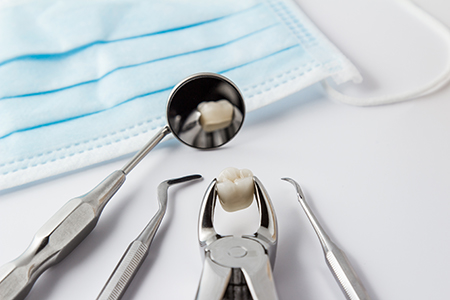
After an extraction, many patients wonder about replacement options. The best choice depends on the location of the missing tooth, the health of surrounding teeth and bone, and the patient’s long-term goals. Common solutions include removable dentures, fixed bridges, and dental implants. Each option has advantages, and we’ll review the pros and cons in the context of your oral condition and lifestyle.
Dental implants are often the most durable and natural-feeling solution for single-tooth replacement because they replace both the root and the crown. Bridges can restore chewing function and appearance when adjacent teeth provide adequate support. Removable prostheses remain a versatile option when multiple teeth are missing or when other treatments are contraindicated. Our recommendations prioritize predictable results and the preservation of healthy tissue.
When replacement is planned, we coordinate timing to optimize healing and outcomes. In some cases, placing an implant requires sufficient bone volume, which may necessitate additional procedures such as bone grafting. We’ll explain timelines and recovery expectations so you can make informed choices that align with your goals.
While most extractions heal uneventfully, it’s important to know the signs of complications and how to respond. Dry socket, an inflammation that occurs when the protective blood clot is lost, causes noticeable pain a few days after extraction and requires professional attention. Infection is another potential issue; increasing swelling, fever, or a foul taste or odor can indicate that an antibiotic or further care is needed.
Prevention is largely about following instructions: avoid smoking, follow medication guidance, and protect the clot by avoiding aggressive rinsing or suction. If you experience unexpected symptoms, reach out so we can assess the situation and intervene early. Prompt evaluation often prevents more significant problems and speeds recovery.
Our team takes a preventive approach by clearly outlining aftercare, scheduling follow-ups when indicated, and working with specialists when complex anatomy or medical conditions require coordinated care. When questions arise during recovery, a quick call can provide reassurance and direction.
At Park West Dental we combine clinical experience with modern techniques to make extractions as comfortable and predictable as possible. Our clinicians take time to explain the rationale for removal, the proposed technique, and the options for restoring function afterward. That transparency helps patients feel confident and informed about their care.
We balance conservative care with decisive action when a tooth threatens broader oral health. If advanced or surgical intervention is needed, we arrange appropriate referrals and collaborate closely with specialists to ensure continuity of care. Our focus is on safe procedures, thoughtful planning, and supporting a smooth recovery at every step.
In summary, extractions are sometimes the healthiest choice to relieve pain, control infection, or enable a more functional and attractive long-term outcome. If you have questions about whether a tooth should be removed, suitable anesthesia or sedation options, or the best ways to replace a missing tooth, please contact us for more information.
A tooth extraction becomes necessary when saving the tooth would threaten oral or overall health. Common reasons include deep decay, severe fractures, advanced periodontal disease, impacted wisdom teeth, or an over-retained primary tooth. Your dentist evaluates the tooth's structure, root anatomy, and surrounding tissues to determine whether restoration is feasible.
Removing a tooth can prevent the spread of infection, alleviate pain, and protect neighboring teeth and bone. In some orthodontic cases extractions are recommended to address overcrowding and create space for proper alignment. Your dentist will explain why extraction is the best option and outline potential restorative choices after healing.
A simple extraction is performed on a tooth that is fully visible in the mouth and has a straightforward root structure. After numbing the area with a local anesthetic the dentist loosens the periodontal ligament and removes the tooth with forceps. This procedure is typically quick and has a predictable recovery when post-operative instructions are followed.
A surgical extraction is required when a tooth is broken at the gum line, impacted, ankylosed, or has complex root anatomy. It often involves making a small incision, removing a portion of bone, or sectioning the tooth for safe removal. Oral surgeons may perform surgical extractions when specialized techniques are needed to minimize trauma and improve outcomes.
Before your appointment the dentist will review your medical and dental histories and ask about current medications and any medical conditions. Certain conditions or medications may require special precautions such as preoperative antibiotics or medical clearance from your physician. Follow any pre-surgical instructions we provide, including fasting or adjustments to blood-thinning medications when advised by a healthcare professional.
Arrange transportation if you will receive sedation and plan for a quiet recovery period at home with soft foods and limited activity. Bring a list of medications and emergency contact information to your appointment and let the team know if you develop illness or fever before the procedure. Clear communication about your health and concerns helps the clinical team tailor care for your safety and comfort.
Most extractions begin with a thorough exam and local anesthesia to numb the tooth and surrounding tissues so you feel minimal or no pain. For anxious patients or more complex cases the dentist may offer nitrous oxide or other sedation options to enhance comfort. During a simple extraction the practitioner uses elevators and forceps to gently mobilize and remove the tooth.
If a surgical approach is needed a small incision or bone removal may be performed to access and extract the tooth with precision. Sutures are sometimes placed to aid healing and protect the site, and the team will review aftercare steps before you leave. Expect clear instructions about medications, oral hygiene, and activity restrictions to support a smooth recovery.
Immediately after the extraction you will bite on gauze to encourage clot formation and should follow the timing instructions provided by your clinician. Avoid rinsing vigorously, using straws, smoking, or any activity that may dislodge the clot during the first 24 to 48 hours. Applying ice to the outside of the face in short intervals can help control swelling while over-the-counter or prescribed pain medication manages discomfort.
Maintain gentle oral hygiene by brushing teeth away from the extraction site and using a lukewarm saltwater rinse after the first day as directed. Stick with soft, cool foods initially and gradually reintroduce firmer items as healing progresses and comfort allows. Keep any follow-up appointments and notify the office if you experience increasing pain, prolonged bleeding, fever, or other concerning symptoms.
All surgical procedures carry risks and tooth extractions can lead to bleeding, infection, dry socket, or delayed healing in some patients. Dry socket occurs when the blood clot is dislodged and can cause severe pain several days after extraction. Patients with certain medical conditions or those who smoke have a higher risk of complications and may need closer monitoring.
The dental team minimizes risk through careful treatment planning, sterile technique, and specific post-operative instructions tailored to your needs. If antibiotics, special wound care, or a referral to an oral surgeon is indicated the team will explain the reasons and expected steps in follow-up care. Promptly reporting unusual symptoms helps ensure timely evaluation and treatment to address complications if they arise.
Antibiotics are not routinely prescribed for all extractions but may be recommended when an active infection is present, for patients with certain medical conditions, or before complex surgical procedures. Pain management typically includes over-the-counter non-aspirin analgesics, and prescription medications are used selectively for severe discomfort. Always follow dosing instructions and complete any prescribed antibiotic course to reduce the risk of persistent infection.
If you take blood thinners or have cardiac conditions the dentist may coordinate care with your physician to manage medication safely around the time of extraction. Discuss any allergies, previous medication reactions, or concerns with the clinical team so they can choose the safest options for you. Clear communication and adherence to prescribed regimens support healing and lower the likelihood of complications.
Contact the office promptly if you experience heavy or uncontrolled bleeding, severe increasing pain despite medication, fever, or signs of spreading infection such as swelling that worsens or difficulty breathing. Minor swelling and discomfort are normal, but symptoms that rapidly intensify or do not improve within a few days warrant evaluation. Also call if you notice an unusual taste or odor that suggests infection, or if sutures become loose or fall out prematurely.
If you have been given specific follow-up instructions or an appointment keep that schedule so the team can monitor your healing progress. For concerns that arise outside office hours follow the emergency guidance provided at your visit to ensure timely care. Prompt communication allows the dental team to intervene quickly and protect your oral health.
Yes, missing teeth can be replaced, and the best option depends on your oral health, bone support, and personal needs. Common solutions include removable dentures, fixed bridges, and dental implants, each with different benefits for function and appearance. Your dentist will review the condition of adjacent teeth and the jawbone and recommend treatments that restore chewing ability and prevent unwanted shifting of neighboring teeth.
Dental implants are the most advanced method for replacing single teeth or supporting prostheses because they restore both tooth structure and underlying bone stimulation. Fixed bridges rely on neighboring teeth for support while removable dentures offer a noninvasive alternative for replacing multiple teeth. A tailored treatment plan, often developed after healing from extraction, will outline which option best meets your functional and aesthetic goals.
The office emphasizes precise, gentle dentistry and takes time to review medical histories, imaging, and patient concerns before recommending extractions or alternatives. Providers coordinate care with specialists and physicians when necessary to address complex cases and medical considerations. Our team prioritizes patient comfort by offering appropriate anesthesia and sedation options and by outlining clear pre- and post-operative instructions.
If a tooth is removed we will discuss restorative options such as dentures, fixed bridges, or dental implants so you understand steps to reestablish function and appearance. Coordination of follow-up care and detailed instructions aid predictable healing and successful long-term outcomes. Choosing care that balances clinical judgment, patient preferences, and safety helps ensure the best result for your smile.