13180 Westpark Dr, Ste 106, Houston, TX 77082

Invisalign®

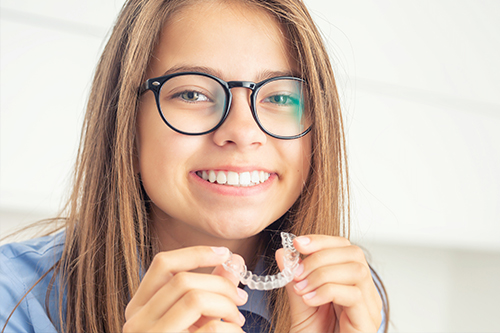
Invisalign® offers a discreet, science-driven approach to straightening teeth that fits into modern life. Using a series of clear, removable aligners, this system can address many common alignment issues while keeping treatment low-profile and easy to manage. At Park West Dental, we combine clinical experience with patient-focused planning to help people pursue straighter smiles with predictable, minimally invasive care.

How clear aligners produce controlled movement

Clear aligners move teeth through a planned sequence of small, controlled adjustments. Each aligner in the series is shaped to apply gentle pressure to selected teeth, guiding them toward their intended positions. The incremental nature of this approach lets your clinician design a path of movement that balances efficiency with patient comfort, and avoids abrupt forces that can cause unnecessary soreness.

The system relies on careful staging — shifting teeth a little at a time — and frequent reassessment to confirm progress. Because the aligners are custom-made for each stage of treatment, they provide predictable contact points and force vectors that a clinician can refine before manufacturing. This predictability is one of the reasons many patients prefer aligners for cosmetic and functional alignment goals.

Another important advantage is reversibility and adjustability during the treatment course. If tooth movement does not follow the planned timeline exactly, the treatment plan can be modified and additional aligners fabricated. That flexibility supports better long-term outcomes while keeping the process comfortable for the patient.

Precision planning: digital scans and treatment mapping

Modern clear-aligner treatment begins with high-resolution digital imaging and intraoral scans. Those scans capture the three-dimensional relationships of teeth, soft tissue, and bite with far greater precision than traditional impressions. Clinicians use this data to create a comprehensive treatment map that outlines every step from the initial alignment to the final planned position.

With the scan data, the practitioner and the aligner manufacturer collaborate on a digital simulation of the treatment outcome. This virtual roadmap allows the team to visualize tooth movements, anticipate potential challenges, and place attachments or plan interproximal reduction where necessary. Having a visual preview also helps patients understand the sequence and expected improvements at each stage.

Because the technology models individual tooth anatomy and jaw relationships, it supports planning for a wider range of malocclusions. The digital process reduces uncertainties, helps limit unnecessary chair time, and creates a clear set of milestones for both clinician and patient to follow during treatment.

Explore a visual overview of aligner therapy and learn how custom planning supports predictable results.

Everyday life with clear aligners: wearing, care, and comfort

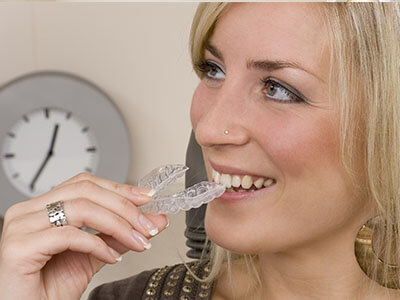
One of the larger benefits of removable aligners is their convenience. You remove them to eat, to brush and floss, and for brief social or professional events if necessary. For most patients, aligners integrate smoothly into daily routines, and oral hygiene is simpler because there are no brackets or wires to work around.

Care for aligners is straightforward: rinse them regularly, brush gently with a soft toothbrush, and soak as recommended to avoid discoloration or buildup. Proper daily wear — typically around 20–22 hours per day — is important to maintain momentum in treatment. Your clinician will explain the specific wear schedule and offer tips to help you keep consistent wear without disrupting work, school, or social life.

Discomfort is usually mild and short-lived. Because each tray advances the teeth only a small amount, pressure is spread over time rather than concentrated in a single adjustment. Many patients note minor pressure for the first few days after switching to a new aligner, which is a normal part of controlled tooth movement.

Who is a good candidate for clear-aligner therapy?

Clear-aligner therapy is effective for a broad range of alignment concerns, including crowding, spacing, mild to moderate bite irregularities, and certain rotational corrections. Adults and mature teens who can commit to consistent wear are often ideal candidates. Your clinician will evaluate jaw relationships, periodontal health, and overall dental condition to determine whether aligners are the right option.

Certain complex movements may still be better managed with alternative orthodontic strategies, and there are cases where aligner treatment is combined with restorative or periodontal care for best results. A thorough clinical exam and diagnostic imaging will reveal whether aligners alone can meet your goals or if a multidisciplinary approach is recommended.

Important factors in candidacy include oral health status and patient commitment. Healthy gums, good oral hygiene, and a willingness to follow the prescribed wear schedule are essential for predictable outcomes. Your care team will review expectations and any adjustments that might be required to optimize results safely.

Typical timeline and check-ins during treatment

Treatment length varies by the complexity of the case, but the process generally follows a reliable sequence: consultation and exam, digital scanning and planning, fabrication of the aligner series, and then periodic check-ins while the aligners do their work. Routine monitoring ensures movements are occurring as planned and allows the clinician to make adjustments when necessary.

During the active phase, patients typically change aligners every one to two weeks, depending on the customized protocol. Short follow-up visits every four to eight weeks let the clinician assess fit, track progress, and make course corrections if needed. These visits are focused and efficient, centered on clinical evaluation rather than lengthy chair procedures.

After completing the aligner series, most treatment plans include a retention phase to stabilize the new tooth positions. Retainers are designed to protect the investment of treatment and prevent unwanted relapse. Your clinician will recommend a retention schedule tailored to your unique case and help you transition smoothly from active alignment to long-term maintenance.

Park West Dental | Inlays  amp  Onlays, Extractions and ClearCorrect reg

Initial consultation and oral health assessment

The first visit focuses on a thorough examination of your teeth, gums, and bite. We discuss your goals, review medical history, and identify any needs that should be addressed before starting aligner therapy. This step ensures treatment begins from a healthy, stable foundation.

Park West Dental | All-on-6, Dental Bridges and Oral Exams

Digital scanning and preview of planned outcomes

A fast, noninvasive intraoral scan captures precise anatomy for treatment planning. The resulting digital model allows you and your clinician to preview the projected changes and adjust objectives before manufacturing the aligner set. This shared planning helps set clear expectations.

Park West Dental | Pediatric Dentistry, Dental Fillings and Air Abrasion

Custom fabrication focused on fit and comfort

Each aligner is produced to the exact specifications of your treatment map. Materials and trimming are optimized for comfortable wear and effective force application. Small, discreet attachments can be placed when needed to aid specific tooth movements.

Park West Dental | Extractions, Intraoral Camera and Invisalign reg

Ongoing support and final refinement

From the first aligner to your final retainer, the clinician monitors progress and offers practical strategies to stay on track. If refinements are needed, additional scans and trays can be produced to fine-tune results until your treatment goals are achieved.

See treatment in motion

Short videos illustrate typical treatment stages, clinician insights, and examples of patient workflows.

*Invisalign® is a registered trademark of Align Technology, Inc.

In summary, clear-aligner therapy blends digital planning, custom fabrication, and routine clinical oversight to deliver predictable, minimally invasive tooth movement. If you're curious about whether this approach fits your goals, our team at Park West Dental can review your case and outline the most appropriate path forward. Contact us for more information or to schedule a consultation with a clinician who can assess your needs and explain next steps.

Frequently Asked Questions

What is Invisalign® and how does it work?

+

Invisalign® is a system of custom-made, clear thermoplastic aligners designed to move teeth incrementally into improved positions. Treatment begins with a digital scan and 3-D planning process that maps each stage of tooth movement across a series of aligners. Each aligner is worn for a set period before being replaced by the next in the series to guide teeth toward the planned outcome.

The aligners fit snugly over the teeth and are nearly invisible when worn, which allows patients to maintain normal daily activities with minimal cosmetic disruption. Because they are removable, patients can eat, brush and floss with fewer limitations than with fixed appliances. Regular check-ins with the treating dentist allow progress to be monitored and adjustments to be made when necessary.

Who is a good candidate for Invisalign®?

+

Many patients with mild to moderate crowding, spacing, or bite irregularities are appropriate candidates for Invisalign® treatment. Teenagers and adults who are committed to wearing their aligners as directed and maintaining good oral hygiene tend to achieve the best outcomes. A comprehensive clinical evaluation, including dental and periodontal assessment, helps determine whether clear aligners are the right option for an individual patient.

Certain complex skeletal problems or very severe tooth movements may require alternative orthodontic approaches or a multidisciplinary plan. During the initial consultation your dentist will review medical and dental history, take diagnostic records, and explain the recommended course of action. If aligners are not the optimal choice, the practice will outline other evidence-based treatment options and why they may be preferable.

How is an Invisalign® treatment plan created and monitored?

+

Treatment planning begins with a precise digital scan or 3-D imaging of the teeth, which is used to create a virtual treatment sequence and predict final tooth positions. That digital plan guides the fabrication of a series of custom aligners that progress tooth movement in controlled steps. The simulation allows the dentist to review proposed movements and make refinements before any aligners are produced.

Throughout treatment, patients return for periodic clinical reviews so the dentist can evaluate fit, tooth movement and oral health. Adjustments such as attachments, interproximal reduction or refinements can be incorporated to optimize results as needed. The team at Park West Dental oversees these appointments and coordinates any modifications to the plan to keep treatment on track.

What should patients expect during daily wear and care of the aligners?

+

Patients are generally instructed to wear aligners for the majority of the day, removing them only for eating, drinking (except water), and oral hygiene. Proper wear time is important because consistent pressure from the aligners is what produces the planned tooth movements. Some initial discomfort or pressure may be felt when switching to a new aligner, but this typically subsides within a few days as the teeth adjust.

Cleaning aligners regularly helps prevent staining and odor; rinsing and gently brushing them with a soft brush and lukewarm water is sufficient in most cases. Avoid hot water or abrasive cleaners that can warp the plastic, and always brush and floss before reinserting aligners to maintain gum and tooth health. Carrying a protective case when aligners are removed helps prevent loss or damage during meals and travel.

How long does Invisalign® treatment typically take and what affects the timeline?

+

Treatment duration varies by case complexity but many patients observe noticeable improvement within a few months, with typical courses often completed within several months to about a year for straightforward cases. The total time depends on the amount of tooth movement required and how closely the patient follows wear instructions. Predictability increases with precise planning and regular monitoring throughout the process.

Factors that influence timeline include the severity of malalignment, patient compliance with daily wear, the need for auxiliary procedures (such as attachments or IPR), and biological response to tooth movement. If refinements are necessary after the initial series, additional aligners may extend overall treatment time but help achieve better long-term outcomes. Your dentist will provide an individualized estimate and explain the milestones to expect during care.

Are there any restrictions or precautions while undergoing Invisalign® treatment?

+

Because aligners are removable, patients should take care to remove them during meals and avoid consuming staining or very hot beverages while wearing them. Chewing gum or biting into hard foods while aligners are in place can damage the trays, so it is best to remove them beforehand and store them properly. Patients should also avoid habits that could distort the aligners, such as excessive heat exposure or cleaning with harsh chemicals.

Report any persistent discomfort, damage or poor fit to your dental provider promptly so necessary adjustments can be made. Maintain routine dental cleanings and periodontal checks during treatment to ensure oral tissues remain healthy and do not compromise tooth movement. Communicate medical changes such as pregnancy or new medications, as these can affect treatment planning and dental care recommendations.

How does Invisalign® compare to traditional braces in terms of comfort and appearance?

+

Invisalign® aligners are made from smooth, low-profile plastic that tends to cause less soft-tissue irritation than brackets and wires, making them more comfortable for many patients. Because they are clear and fit closely over the teeth, aligners are much less noticeable than metal braces and may be preferred by patients who want a more discreet option. Removability also allows patients to maintain normal oral hygiene routines and enjoy foods without the restrictions common with fixed appliances.

Traditional braces can be preferable for certain complex movements and some severe bite problems, where fixed forces delivered by brackets and wires provide specific mechanical advantages. Both systems have strengths and limitations, and the best choice depends on the clinical goals, anatomy of the case, and patient preferences. A thorough consultation will clarify which modality offers the most predictable and efficient path to a healthy, stable result.

What kind of follow-up and retention is needed after Invisalign® treatment?

+

Like all orthodontic care, Invisalign® treatment is followed by a retention phase to preserve the corrected tooth positions. Retainers—either removable or fixed—are commonly prescribed immediately after active treatment to prevent relapse as tissues stabilize. The dentist will outline a retention schedule tailored to the individual, which often includes initial full-time wear followed by nighttime use over the long term.

Periodic follow-up visits allow the dentist to confirm that the retainer is functioning and that oral health remains stable. Long-term retention is a predictable way to protect the investment in tooth alignment and minimize future shifting. Ongoing routine dental care and monitoring help ensure the durability of results and address any concerns that may arise.

How do digital scans and 3-D imaging improve Invisalign® outcomes?

+

Digital scans and 3-D imaging increase the precision of diagnosis, treatment planning and aligner fabrication by capturing accurate tooth and bite relationships without the need for conventional impressions. These technologies allow clinicians to visualize tooth movement step-by-step and to simulate expected outcomes before treatment begins. Improved predictability from digital workflows often reduces the need for adjustments and shortens chairside time for many appointments.

Digital records also facilitate clear communication between the dental team and the aligner manufacturer, enabling fine-tuning of the plan and efficient production of custom aligners. When refinements are needed, digital tools streamline the process for creating additional aligners or modifying the treatment sequence. Overall, the integration of imaging and digital planning supports more consistent, patient-centered care.

How can patients at Park West Dental get started with Invisalign®?

+

To begin, schedule a consultation at our Houston office so the dentist can perform a comprehensive examination and discuss your goals for alignment and smile esthetics. During the visit, digital scans and diagnostic records are taken to evaluate tooth positions, bite relationships and overall oral health. The dentist will review the proposed treatment sequence, expected milestones, and any adjunctive procedures that may be recommended to achieve the best outcome.

If Invisalign® is appropriate, you will receive a personalized plan that outlines how the aligners will be used to address your concerns and what to expect throughout care. The clinical team will explain proper aligner wear, hygiene practices and the schedule for follow-up visits so you can begin treatment with confidence. Contact Park West Dental to arrange your consultation and learn more about whether clear aligners are the right fit for your smile goals.

Get in Touch

13180 Westpark Dr, Ste 106
Houston, TX 77082
info.parkwestdental@gmail.com

Office Hours

Monday
8:30 am - 5:00 pm
Tuesday
Closed
Wednesday
8:30 am - 5:00 pm
Thursday
Closed
Friday
8:30 am - 5:00 pm
Saturday
8:30 am - 5:00 pm
Sunday
Closed